287(g) Agreements in North Carolina
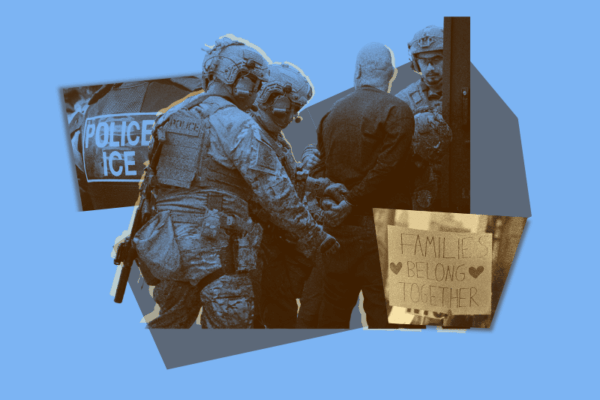
A 287(g) agreement gives local law enforcement the power to enforce federal immigration law—something they normally cannot do. These agreements turn local officers into Immigration and Customs Enforcement (ICE) agents, fueling deportations, racial profiling, and fear in immigrant communities.
Related Issues
Related Content
Jul 2, 2026
287(g) Toolkit
Explore our 287(g) Toolkit to learn more about harmful cooperation agreements between North Carolina law enforcement and federal immigration agents. The toolkit includes background information, model policies, advocacy tactics, and messaging guidance.
Jul 2, 2026
Kit de Instrumentos de Defensa 287(g)
Explora nuestro Kit de Instrumentos de Defensa 287(g) para aprender más sobre los acuerdos de cooperación perjudiciales entre las fuerzas del orden de Carolina del Norte y los agentes federales de inmigración. El kit incluye información de fondo, políticas modelo, tácticas de defensa y guía de mensajes.
May 20, 2026
State of Immigration Enforcement in North Carolina: What You Need to Know
Learn more about 1) detention at immigration appointments; 2) 287(g) agreements between ICE and North Carolina law enforcement; 3) where people are being detained; 4) what to do if someone you know is detained by ICE; and 5) ICE Watch trainings and community hotlines.
Jul 01, 2026

SB153 – Anti-Immigrant “North Carolina Border Protection Act” Frequently Asked Questions (FAQ)
Senate Bill 153, also called the "North Carolina Border Protection Act", is a blatant attack on immigrant communties in North Carolina. After becoming law when the General Assembly overrode the Governor's veto, SB153 forces state law enforcement agencies to partner with ICE, prevents local governments and universities from protecting immigrant communities, and creates additional barriers to public benefit access. This FAQ answers your questions about what the law does, which agencies are affected, and what rights you have, regardless of your immigration status.