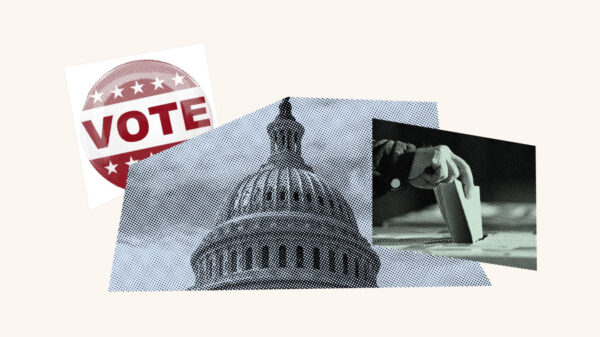
This year's elections will shape decisions at every level, from our state legislature to our local governments. This is why it’s crucial to research and vote on races all the way down your ballot.
Many people only vote for candidates at the top of the ballot and then leave the rest blank, often because more money and media attention are dedicated to higher-profile races. As a result, voters may be more familiar with candidates running for U.S. congressional seats and less familiar with those running in state and local races, making them less likely to vote for candidates farther down the ballot.
But the state and local elections that many voters skip have some of the biggest impact on your daily life — and they’re often won by a relatively small number of votes. By educating yourself on the full range of races and candidates that will be on your ballot, you will be better prepared to cast votes that bring the changes you want to see in your community.
You can use this search tool to find your registration status and Election Day (Nov. 3) voting site. You can also download a sample ballot so you can review the races and candidates on your ballot before you vote. Remember, Election Day is the last day to vote, not the first. Consider voting early during the early voting period from October 15 through 31. You can vote at any early voting site in your county. Same-day registration is available during early voting but not on Election Day.
Now, let’s break down some of the elected offices you may see on your ballot so you can better understand how these offices affect your civil rights and liberties.